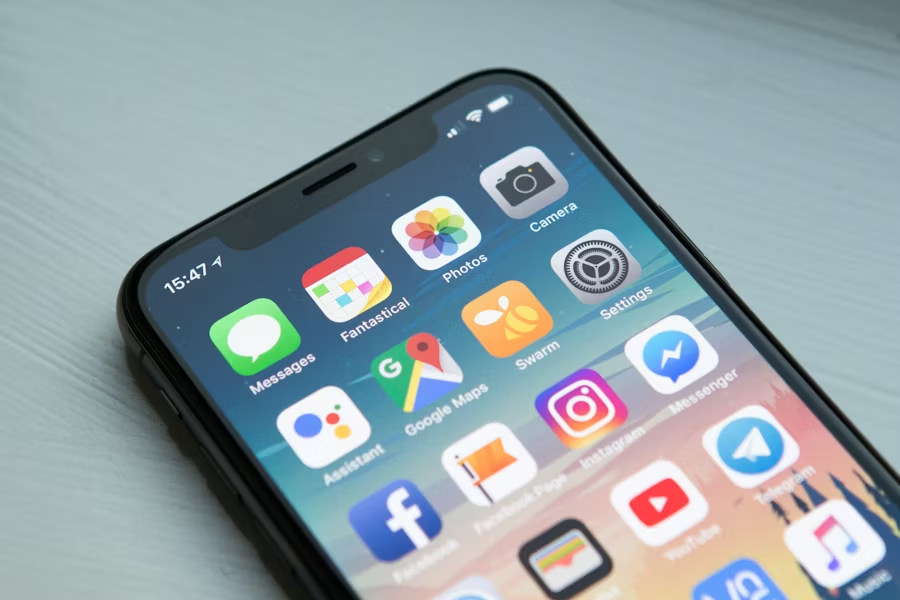
Mobile entertainment has changed dramatically in recent years. People now move daily between streaming apps, gaming platforms, social media spaces, and interactive services that barely existed in their current form a decade ago. Convenience still drives much of that growth, with users expecting platforms to load quickly, respond smoothly, and work almost instantly across devices.
At the same time, safety has become part of the experience. People pay closer attention to privacy settings, account protection, suspicious activity alerts, and how apps handle personal information during registration or regular use. A platform that feels careless with security can lose trust quickly.
That pressure is reshaping mobile entertainment from the inside out. Developers are no longer focused only on engagement or design, because safety standards now influence how apps function and how loyal users remain.
User Trust Now Shapes Mobile Entertainment Design
People usually decide very quickly whether an app feels trustworthy. That reaction often happens before they consciously think about it. A cluttered interface, confusing permissions request, or awkward registration process can immediately create hesitation, even if the platform itself works properly afterward.
Modern entertainment apps now place much more attention on clarity and usability because users expect digital experiences to feel intuitive from the beginning. Menus are simpler, and navigation systems feel cleaner. Even account settings are easier to access than they once were. Small details influence trust more than companies sometimes expect.
Transparency also matters far more now. Users want to understand why an app requests location access, notifications, camera permissions, or personal information. When platforms explain those requests clearly, people tend to feel more comfortable continuing through the experience.
This is why trust-building features are now part of the design process rather than something added later. Clear security prompts, visible account controls, simple privacy explanations, and consistent app behavior all help users feel more in control. The best mobile entertainment experiences make safety feel natural instead of disruptive.
Mobile entertainment companies learned that trust affects engagement directly. If users feel uncertain about an app’s safety or reliability, they rarely stay long enough to fully invest in the experience. Design decisions now carry emotional weight alongside functionality.
Regulation Is Becoming Part of the Mobile User Experience
As digital entertainment expanded, regulation followed close behind it. Many interactive platforms now operate inside legal frameworks that require identity checks, age verification systems, security standards, or location-based restrictions, depending on the type of service being offered.
Those rules can look different depending on the market. European platforms may focus heavily on privacy requirements, while U.S. services often deal with state-by-state rules, from Nevada and Pennsylvania to a casino in New Jersey that uses geolocation checks and account safeguards to create a more secure mobile experience.
Developers face an interesting challenge because compliance systems still need to feel smooth during interaction. Long verification delays or confusing onboarding steps can frustrate users quickly. At the same time, weak protections create obvious legal and security risks for both the platform and the people using it.
That balancing act keeps growing more complicated as regulations evolve across different industries and regions. Mobile entertainment apps increasingly need to function as both engaging platforms and responsible digital environments at the same time. Users may not think about those systems constantly, though they absolutely notice when they fail.
Real-Time Protection Systems Are Becoming More Advanced
Modern mobile apps rely heavily on real-time monitoring systems to maintain safer digital environments while people are actively using the platform. Earlier platforms often responded to problems after damage had already occurred. Current systems attempt to identify suspicious behavior while interaction is still happening.
Artificial intelligence plays a major role in this process now. Many platforms can detect unusual login attempts, fraudulent behavior, automated abuse, or suspicious account activity far faster than older manual systems allowed. That speed matters because mobile interaction happens continuously throughout the day.
Users also expect visible signs that a platform takes safety seriously. Some features, such as login alerts, account recovery tools, device verification prompts, and suspicious activity notifications, help reinforce the feeling that someone is actively protecting the environment behind the scenes.
Most people rarely think about safety infrastructure when everything works properly. They notice it immediately when something feels unstable or poorly managed. That’s part of why protection systems became such a major priority across modern entertainment apps.
Privacy Expectations Continue Rising Across Mobile Platforms
Privacy conversations surrounding mobile apps have become much more intense over the last few years. Users now understand that platforms collect large amounts of behavioral data during ordinary interaction, often including browsing activity, location information, viewing habits, and device usage patterns.
That awareness changed user expectations significantly. People want greater transparency around how their information is collected, stored, and shared. Apps that feel vague or overly aggressive with permissions tend to create discomfort much faster than they once did.
Developers responded by simplifying privacy settings and making account management tools easier to navigate. Many apps now allow users to manage permissions, security preferences, and notification settings directly inside the interface without digging through endless menus.
Security systems evolved alongside those changes. Encryption tools, two-step authentication, secure cloud storage, and device recognition systems became standard expectations across many forms of mobile entertainment. Users may not always understand the technical side of those systems, though they increasingly expect them to exist.
Why Safety Standards Will Continue Influencing Digital Entertainment
Mobile entertainment keeps evolving because user expectations keep evolving alongside technology itself. People still want speed, convenience, personalization, and immersive experiences. They also expect platforms to feel responsible for personal information and protective of user activity.
That combination is changing how developers approach entertainment design overall. Safety systems are no longer treated as background features added later in development. They are becoming central parts of the experience itself because users now associate digital quality with reliability and protection.
As mobile entertainment grows more sophisticated, safety standards will likely shape even more aspects of platform design moving forward. The apps that maintain long-term loyalty are usually the ones that make users feel both entertained and protected every time they open the platform.